
Crossing the Gap: How GT Wings Turned Demonstration into Commercial Deployment
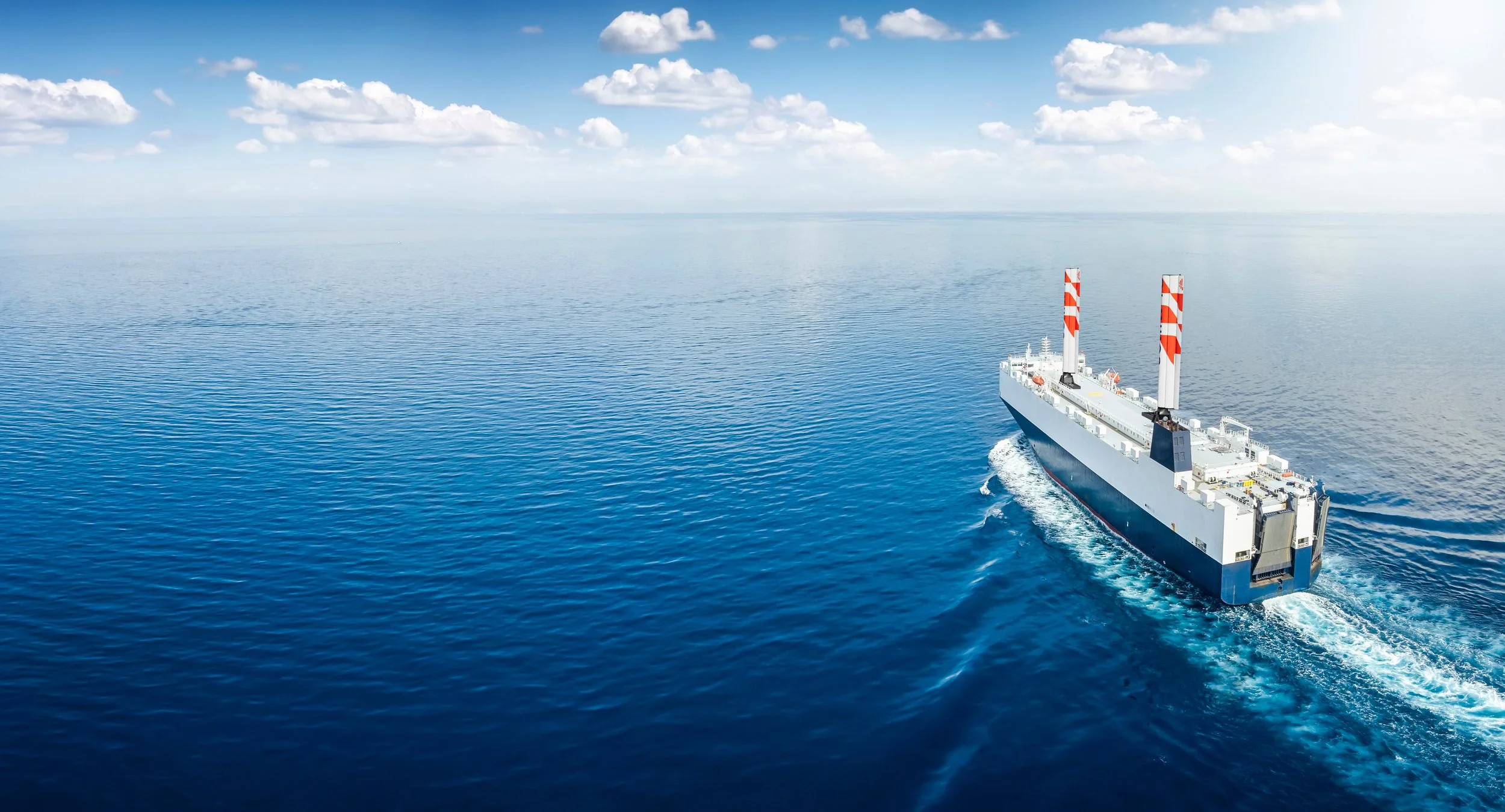
From proving technology at sea to earning the trust of the maritime industry, GT Wing’s journey reflects the challenge Maritime Futures was created to solve.
The Wind Never Went Away. We Just Stopped Looking at It.
For centuries, wind moved the world's ships. Then the industry stopped looking at it, until the pressure to decarbonise made it worth a second look. Every new regulation, every fuel price increase and every climate target is driving the search for cleaner ways to move goods around the world. Much of that conversation has focused on alternative fuels, but GT Wings started somewhere else.
Rather than asking what should replace today’s fuels, the company asked a simpler question: what if ships simply needed less of them?
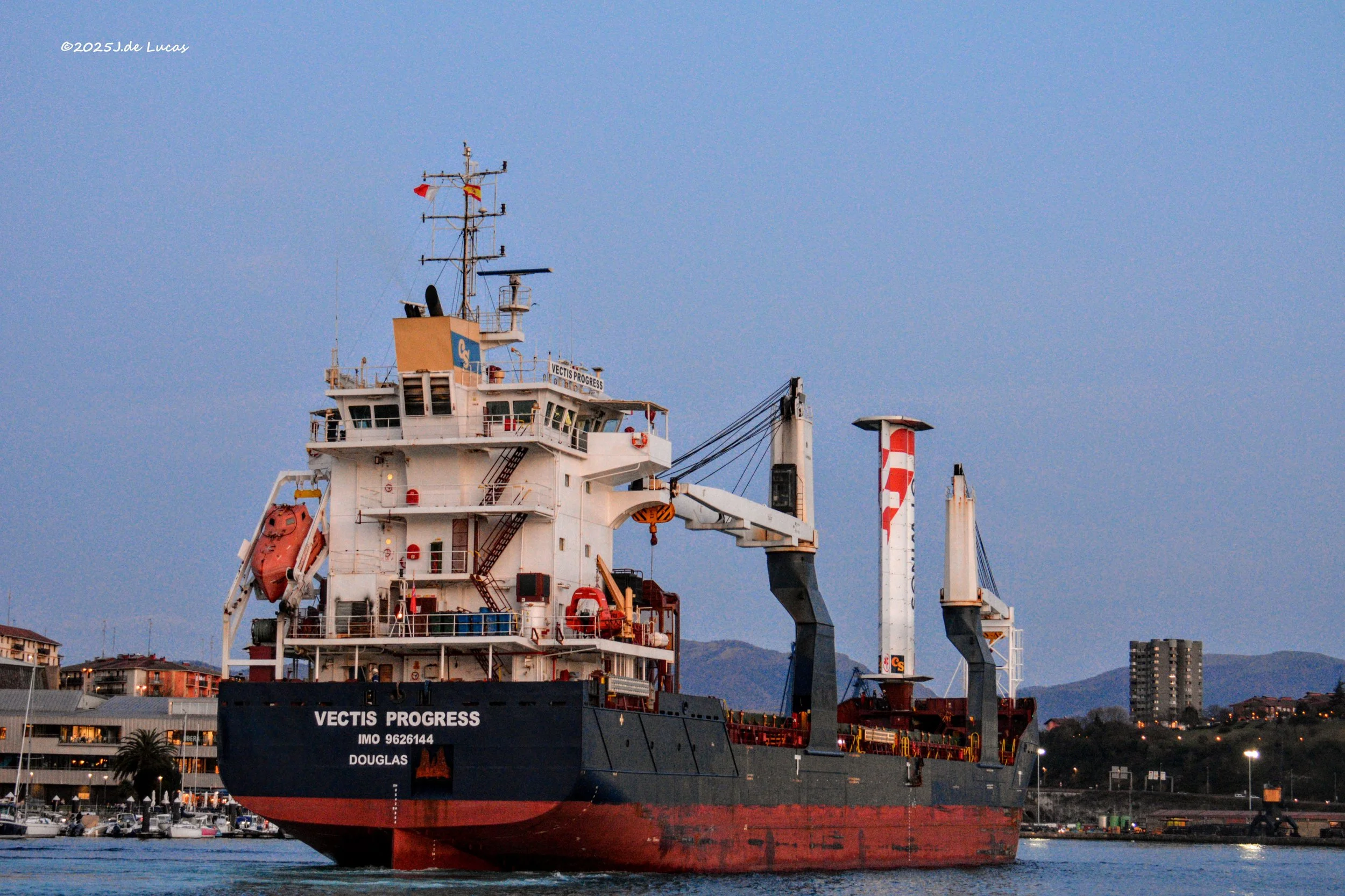
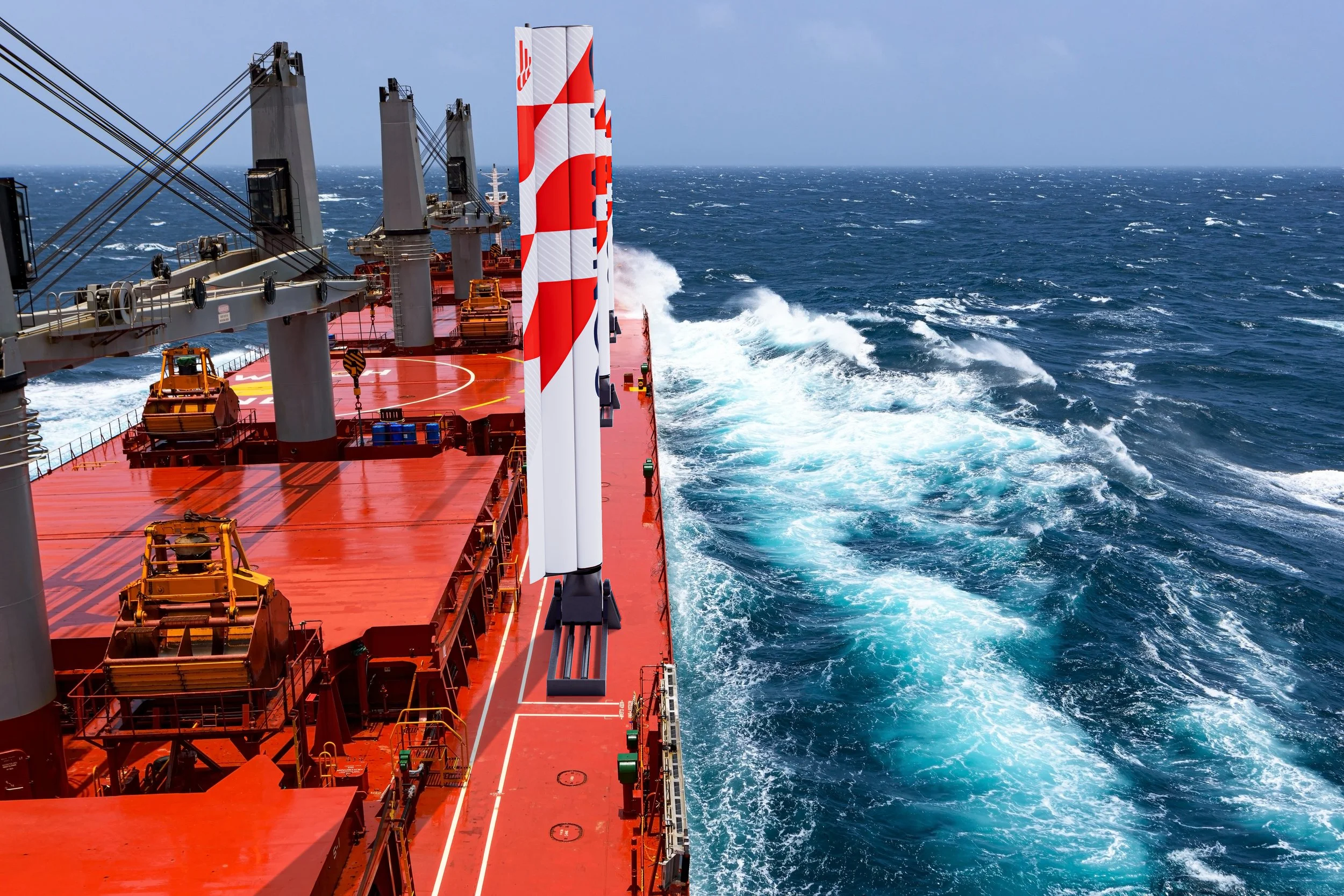
For George Thompson, Founder and CEO of GT Wings, the answer lay in one of shipping oldest energy sources.. Wind has propelled ships for centuries, but modern engineering offered an opportunity to use it in a way that fits today’s commercial fleets. The result was AirWing™: an automated wind-assisted propulsion system designed to reduce fuel consumption, lower emissions and cut operating costs, while integrating into existing vessel operations with minimal disruption.
Turning that idea into a technology trusted by one of the world’s most conservative industries would prove to be far more challenging than designing the system itself.
Reinventing Wind Without Reinventing Shipping
"I Didn't Build DEFCON8 Because I Saw a Market."
For GT Wings, the objective was never to change how ships operate. It was to create a solution that could fit seamlessly into existing fleets while delivering immediate environmental and commercial benefits.
“We believe the answer wasn’t to reinvent shipping, but to use one of its oldest energy sources in a completely modern way”, George explains. “Airwing was designed to be automated, efficient and practical to install, giving shipowners a solution that cuts fuel consumption, emissions and operating costs without changing how they trade.”
That philosophy shaped every stage of development. Rather than asking shipowners to redesign their operations around a new technology, GT Wings focused on making adoption as straightforward as possible. AirWing was engineered to fit seamlessly into existing operations, a crucial consideration in an industry where reliability and operational continuity are paramount.
Turning that vision into reality, however, required years of engineering, testing and refinement. The technology was first validated through computational modelling, followed by wind tunnel testing and eventually full-scale sea trials. Each milestone strengthened confidence that the concept could perform under real operating conditions, even as the team worked through the challenges of scaling the technology, integrating it into commercial vessels and demonstrating consistent performance at sea.
“When we finally saw AirWing operating successfully on a commercial vessel, it was a huge moment for the whole team,” George says. “It showed that the technology wasn’t just a concept anymore, it could be delivered in the real world.”
The Gap Between Demonstration and Deployment
Building a technology is one milestone. Convincing an industry to adopt it is another entirely.
For GT Wings, proving that AirWing™ worked at sea was only part of the journey. Commercial deployment depended on something less tangible but equally important: confidence.
That confidence couldn’t come from GT Wings alone. It had to be earned across an entire ecosystem of organisations responsible for evaluating, financing, certifying and ultimately adopting new maritime technologies.
“It’s impossible to single out one group because commercialising new maritime technology takes an entire ecosystem,” George explains. “Shipowners willing to innovate are essential, but so are classification societies, independent validators, financiers and supply chain partners. Trust is built collectively, and every stakeholder plays a role in reducing risk and enabling adoption.”
Programmes such as the Clean Maritime Demonstration Competition (CMDC), supported by the UK Department for Transport and Innovate UK, played a significant role in accelerating that journey. Beyond funding the technology itself, the programme enabled GT Wings to demonstrate AirWing at commercial scale, reducing technical risk while building confidence among investors, partners and prospective customers. Just as importantly, it helped bring together the consortium needed to transform an innovative concept into a commercially credible product.
Yet even with successful demonstrations behind them, one challenge remained: earning the market’s trust.
Creating the Conversations That Lead to Deployment
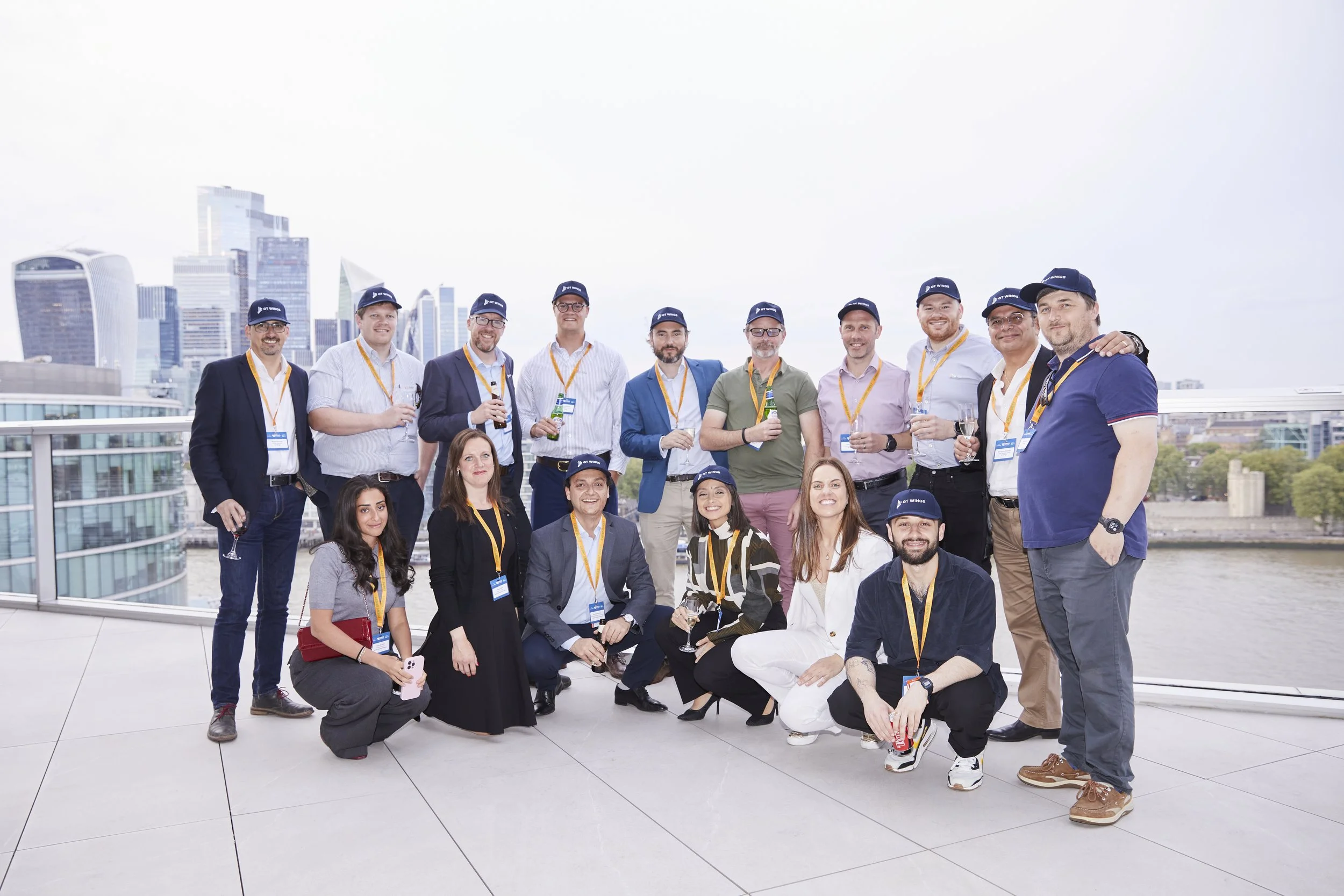
GT Wings’ journey highlights a challenge faced by many clean maritime innovators. Public funding can help prove a technology works, but commercial success depends on something far less predictable: bringing together the people who have the confidence, and the authority, to adopt it.
Shipowners, investors, classification societies, regulators, insurers and technology providers each play a different role in moving an innovation from successful demonstration to commercial deployment. Without those conversations, even the most promising technologies can struggle to gain traction.
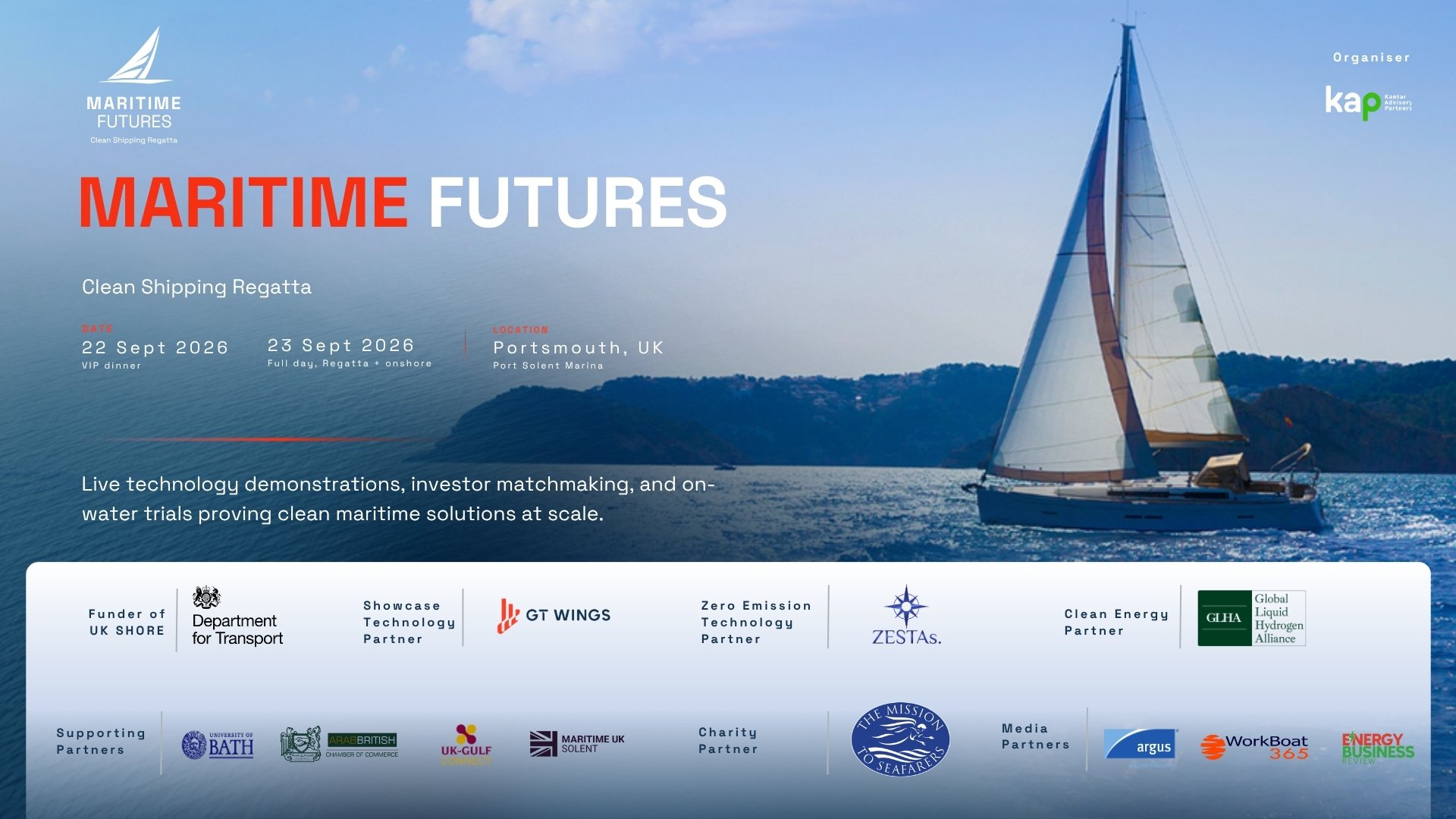
GT Wings’ experience illustrates a broader challenge across the maritime sector, one that KAP set out to address through Maritime Futures: Clean Shipping Regatta. Rather than focusing solely on technology demonstrations, the Regatta brings together the wider ecosystem needed to accelerate adoption. Through live on-water demonstrations, strategic networking, investor engagement and collaboration across the maritime value chain, it creates opportunities for innovators to move beyond proving their technology and towards deployment at scale.
For GT Wings, taking part in Maritime Futures is therefore a natural continuation of its commercialisation journey. Having reached its first commercial deployment, the company represents exactly the kind of innovation the Regatta was created to support: proven technologies ready to accelerate industry adoption.
When Proof Becomes Progress
For GT Wings, that moment came when the company secured its first commercial contract with an AirWing™20 set to be installed on Grieg Maritime Group’s Star Kirkenes. It marked the milestone every innovator works towards: moving beyond successful demonstration to become a technology customers are willing to invest in.
For George, the contract represented years of engineering, testing and persistence finally translating into market confidence.
“It comes down to trust, technical evidence and collaboration,” George says. “Grieg Star carried out a thorough evaluation and worked closely with us throughout the process. Securing our first commercial contract validates both the technology and the business, and it’s a major milestone that gives confidence to the wider market.”
The significance of the agreement extends beyond a single installation. It demonstrates that market adoption is possible when innovative technology is backed by rigorous testing, strong partnerships and a clear understanding of customer needs. As George puts it, the focus has shifted from asking whether the technology works to how quickly it can be deployed across the fleet.
Looking Beyond the First Contract
For George, securing a first commercial customer isn’t the finish line, but the beginning of a much bigger journey.
“The focus now is scaling deployment,” he says. “Shipowners want proven performance, reliable delivery, competitive economics and confidence that the technology can be supported over its lifetime.”
It’s also why his advice to other innovators is surprisingly simple.
“Focus on the customer, not just the technology. Demonstrating great engineering is only half the challenge. You need to understand the commercial drivers, remove barriers to adoption and build strong partnerships across the industry. Commercialisation is about reducing perceived risk.”
That philosophy reflects the broader ambition behind Maritime Futures. The transition to cleaner shipping won’t be driven by a single breakthrough technology, but by creating the conditions for proven innovations to earn trust, attract investment and move into commercial service. GT Wings’ journey demonstrates that great engineering alone doesn’t change an industry. Building trust, partnerships and commercial momentum does. And for the many funded innovators still sitting where GT Wings once did - prove, but not yet adopted - that’s exactly what Maritime Futures exists to change.
GT Wings’ story shows what’s possible when innovative technology meets the right ecosystem. This September, Maritime Futures: Clean Shipping Regatta brings that ecosystem together.
If you’re a clean maritime innovator ready to take the next step beyond demonstration, we’d love to see you on the water.
Discover Maritime Futures HERE
.
Want to feature in our newsletter or expert series? Get in touch at info@kantaradvisory.com
