
Meet the Changemakers: Green Mount Recycling Is Cleaning Lebanon, One Village at a Time

By: Rachid Kantar, KAP Middle East Lead
In a country where waste often burns at the edge of villages, Green Mount Recycling is proving that Lebanon’s environmental crisis can be solved, not through politics, but through people. Founded by Raja Abi Saab and represented by Carlos Ayvazian, the company has built a community-first waste management model that’s reshaping how Lebanese towns deal with their garbage - turning pollution into participation, and despair into discipline.
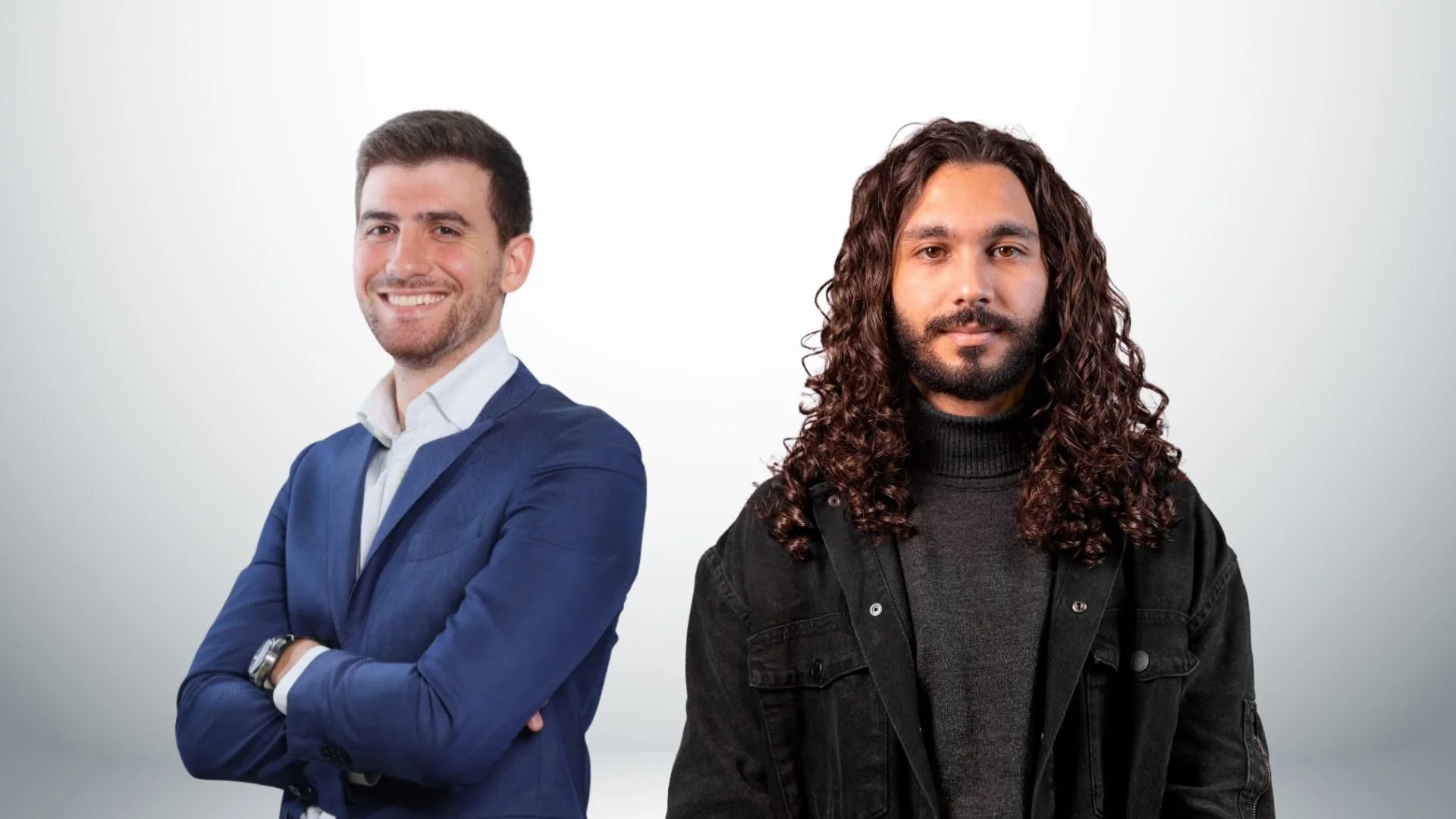
Green Mount Recycling founders Raja Abi Saab (left) and Carlos Ayvazian (right), whose community-first vision is reshaping waste management across Lebanon.
From One Man and his Car to a Regional Movement
The story began in 2019, when Lebanon’s waste management crisis was at its peak. With no national strategy and hundreds of informal dumps scattered across the country, garbage became a symbol of dysfunction - piling high, burning in the open, and poisoning air and soil alike. That’s when Raja decided to act…
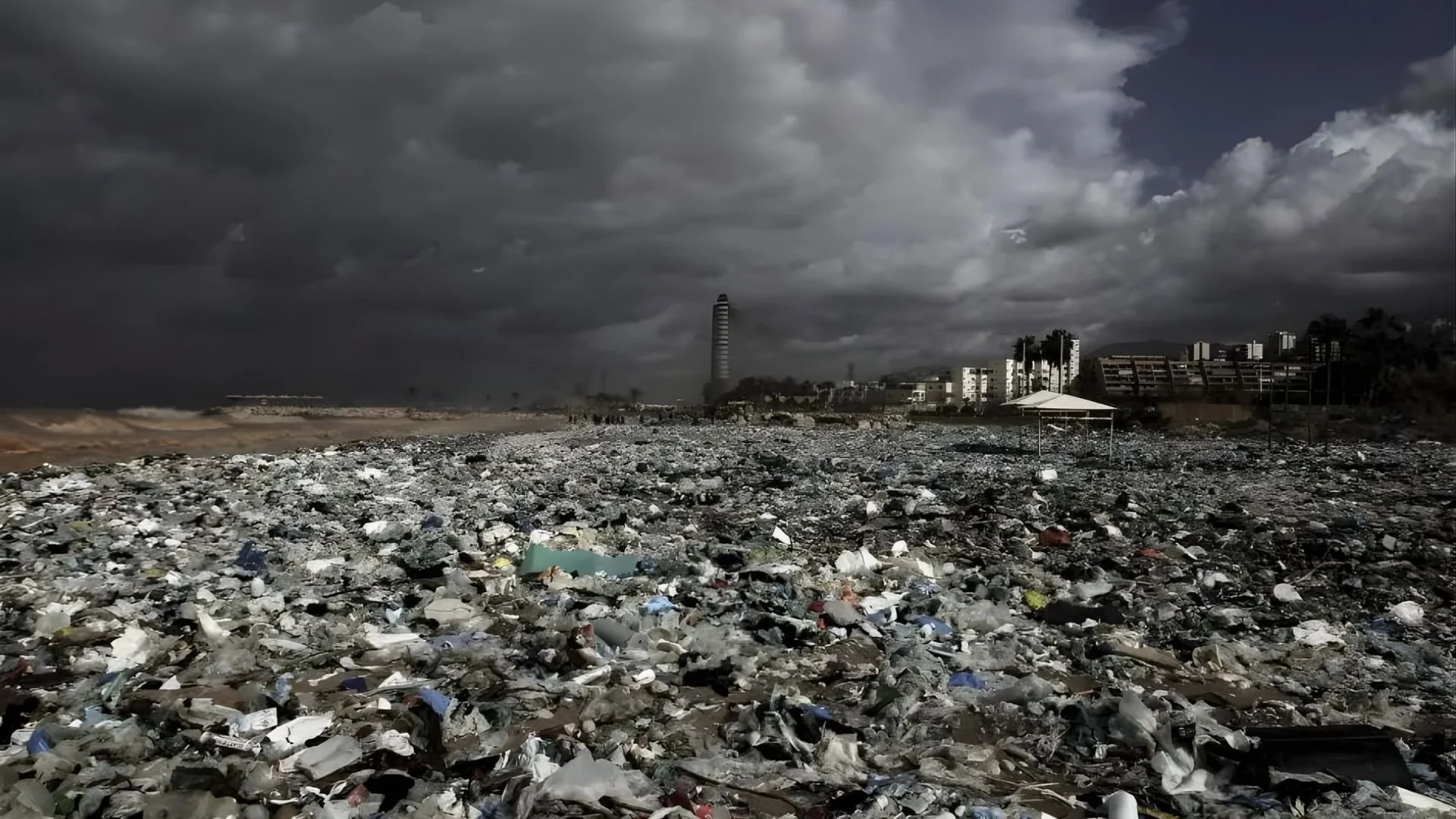
A beach in Keserwan, north of Beirut, where strong waves and heavy winds washed ashore massive piles of garbage.
(Image credit: Human Rights Watch)
With nothing but a car and a determination to make a difference, he began collecting recyclables from homes in his village. What started as a personal initiative quickly drew attention, volunteers, and partnerships. Within two years, Green Mount Recycling had evolved into a formal operation, complete with a sorting facility in Ras El Matn, a growing team, and partnerships with municipalities across Upper Metn and Baabda.
Today, the company employs over 30 people, works with 15-18 municipalities, and runs daily collections that keep thousands of kilos of waste out of Lebanon’s landfills.
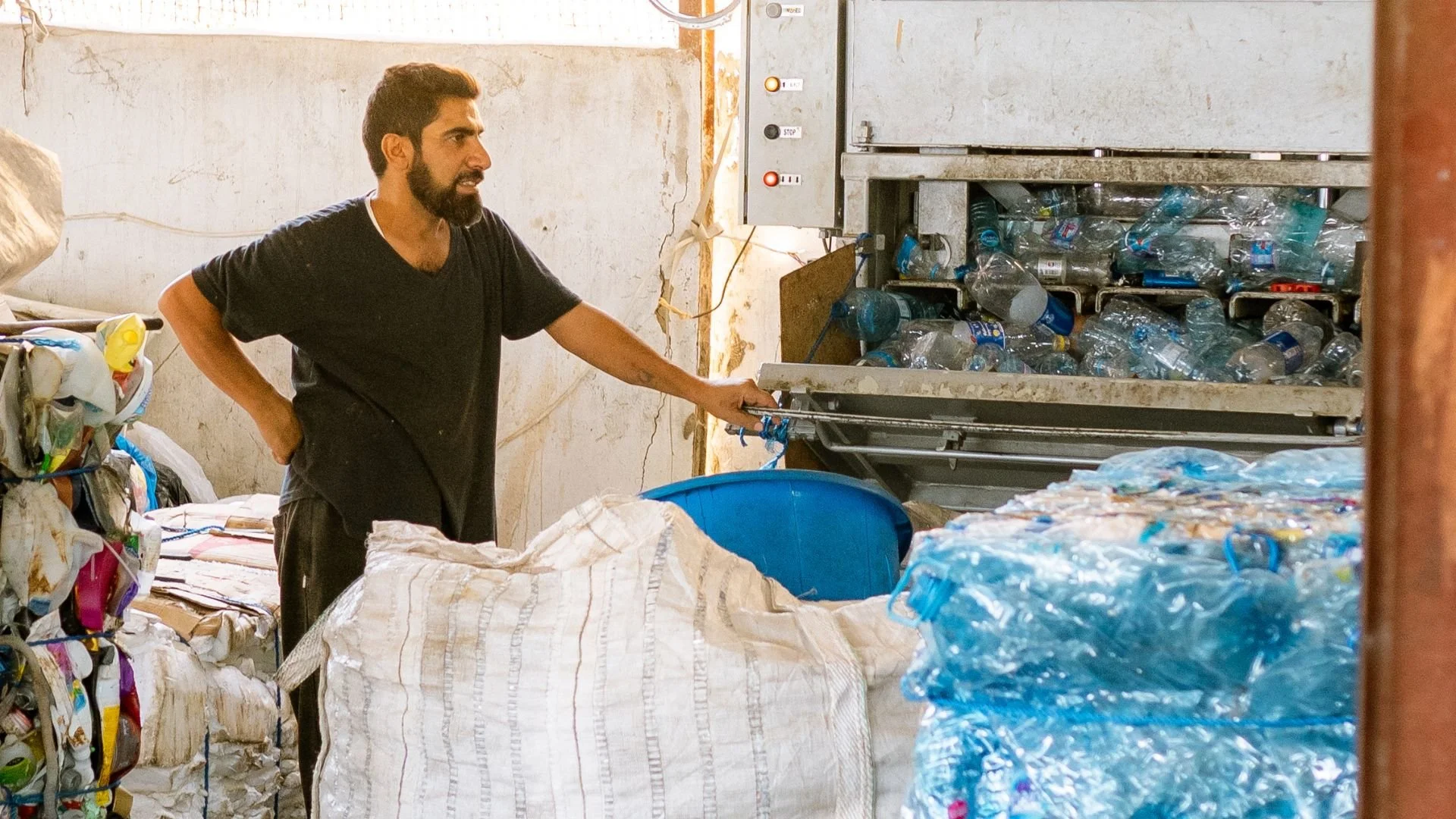
Inside the Ras El Matn sorting center, team members process thousands of kilos of recyclables weekly, keeping them out of landfills and waterways.
“Without the community, this work wouldn’t succeed. We design for real life, one box for recyclables, one for non-recyclables, clear schedules, constant communication, and most importantly, we show up.”
Rebuilding Trust, One Household at a Time
Years of failed initiatives have left many Lebanese sceptical about recycling. Green Mount Recycling realised early on that the real challenge wasn’t technical, it was psychological…
Their approach starts with awareness, not bins. The team meets with municipal leaders, community heads, churches, mosques, and schools before launching any program. They also appoint local champions in each village, residents who promote recycling and help sustain participation long after the project begins. Then comes the simplicity…
Instead of expecting people to separate into multiple colour-coded bins, Green Mount Recycling introduced an easy two-stream system:
Recyclables - paper, cardboard, metal, and plastics (36 accepted types)
Non-recyclables - general waste
This clarity makes sorting accessible for everyone, and it works. In many towns, up to 80% of households now recycle regularly, far above the global average of 40-60%.
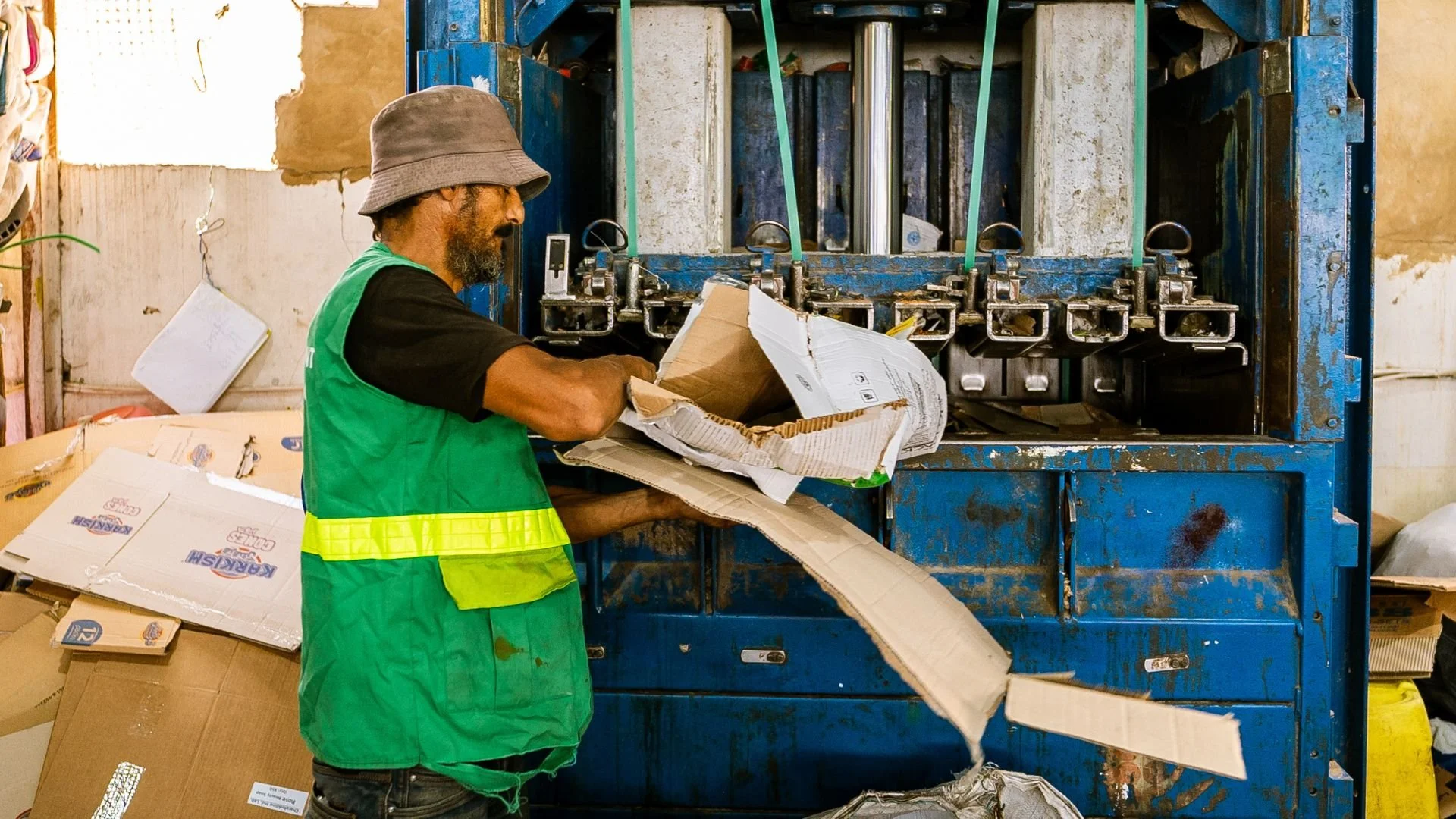
Cardboard and paper are compacted for transport and resale - creating stable income streams within Lebanon’s growing green economy.
A System That Works for Everyone
Every village has a fixed collection schedule, published online. Residents leave their recyclables outside, and Green Mount Recycling’s team collects them door-to-door. At the Ras El Matn sorting center, the materials are manually and mechanically separated by type. Some are shredded and processed on-site, while others are sold to downstream recyclers for reuse.
For businesses, supermarkets, restaurants, offices, the company provides bulk collection services. When waste is cleaned and sorted, Green Mount Recycling even pays clients for their recyclables, turning what was once trash into revenue. To further encourage participation, the team partnered with Yalla Return, setting up collection kiosks where residents can drop off recyclables and redeem points for cash, tickets, or donations.
Recycling, for the first time, became both easy and rewarding.
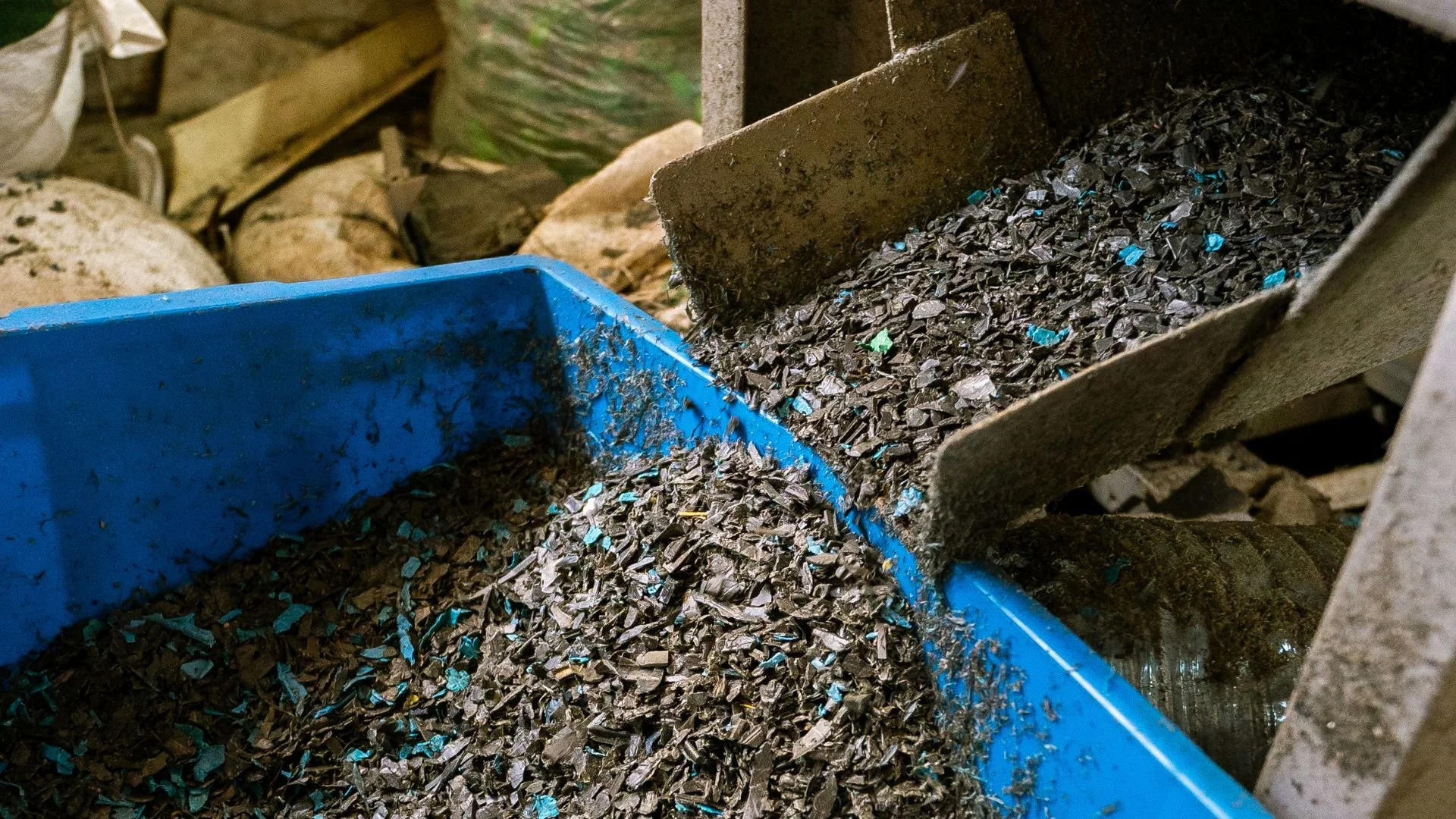
Shredded plastics ready for transformation - clean, sorted material supplied to recycling partners building Lebanon’s emerging circular economy.
Impact in Numbers
The results speak for themselves. Each year, Green Mount Recycling:
Diverts more than 1,000 tons of recyclables from landfills
Collects 3-4 tons of waste daily from households and businesses
Reaches 1,500+ households directly through its door-to-door model
Collaborates with 200+ businesses across its network
Employs 30+ team members, creating local jobs in the green economy
Maintains recycling rates between 40% and 80% depending on the municipality
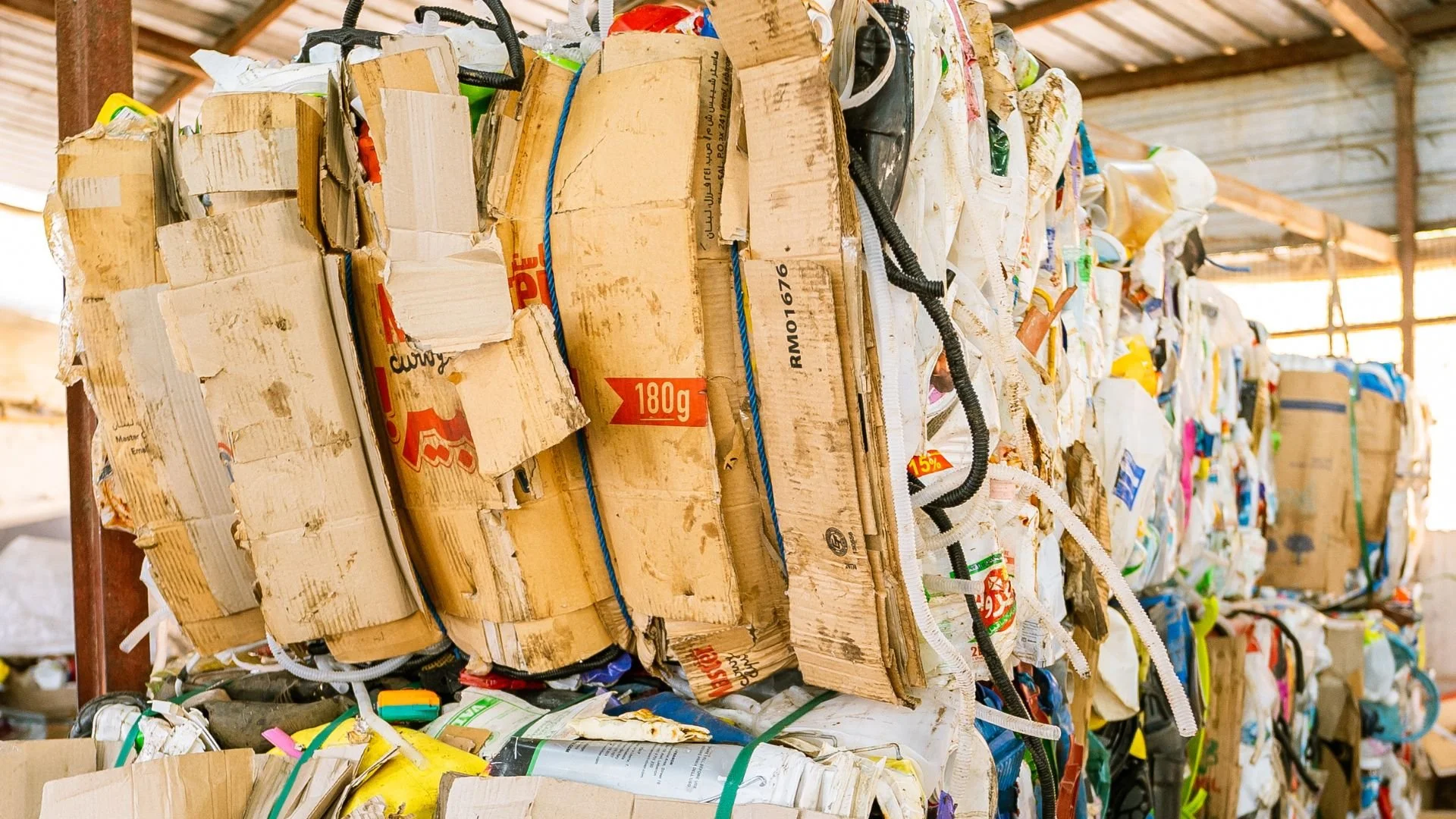
Bales of sorted recyclables stacked for transport - the final step before materials re-enter the production cycle.
Behind every ton diverted is a growing sense of civic pride. Villages that once struggled with open dumping are now competing to be Lebanon’s cleanest communities.
“When people see that it works, they take ownership,” Carlos explains. “In one town, they even compete with neighbouring villages to see who can recycle more!”
Collaboration Over Competition
Lebanon’s recycling ecosystem is still young, fragmented but full of innovation. Green Mount Recycling doesn’t see other players as competitors but as partners in progress.
Some startups specialise in glass recycling, others turn plastic into furniture or compress hard-to-recycle waste into building materials. Green Mount Recycling’s role is to connect the dots, providing these innovators with clean, sorted waste streams that make their work possible. Together, these initiatives are quietly building a circular economy from the ground up.
Challenges That Persist
Operating in Lebanon’s current climate is anything but easy. Landfills are at capacity, municipalities are underfunded, and open burning remains common. There’s little government support, no national strategy, and limited access to recycling infrastructure.
“Waste management isn’t profitable, not in Lebanon, not anywhere,” says Carlos. “Globally it’s treated as a public service. Here, we’re forced to make it work on our own”
Despite these barriers, the team continues to grow, powered by community goodwill, small grants, and an unshakable belief that change is possible.
A Model Built to Last
After five years of trial, error, and progress, Green Mount Recycling is preparing to scale its impact through a Build-Operate-Transfer (BOT) model with municipalities.
The process is clear:
Build the local system, awareness, routes, and sorting infrastructure.
Operate it until it runs smoothly and efficiently.
Transfer ownership back to the municipality, with full training, monitoring, and guidelines.
This shared-governance model ensures that waste management becomes institutional, not individual, something owned by the people, for the people.
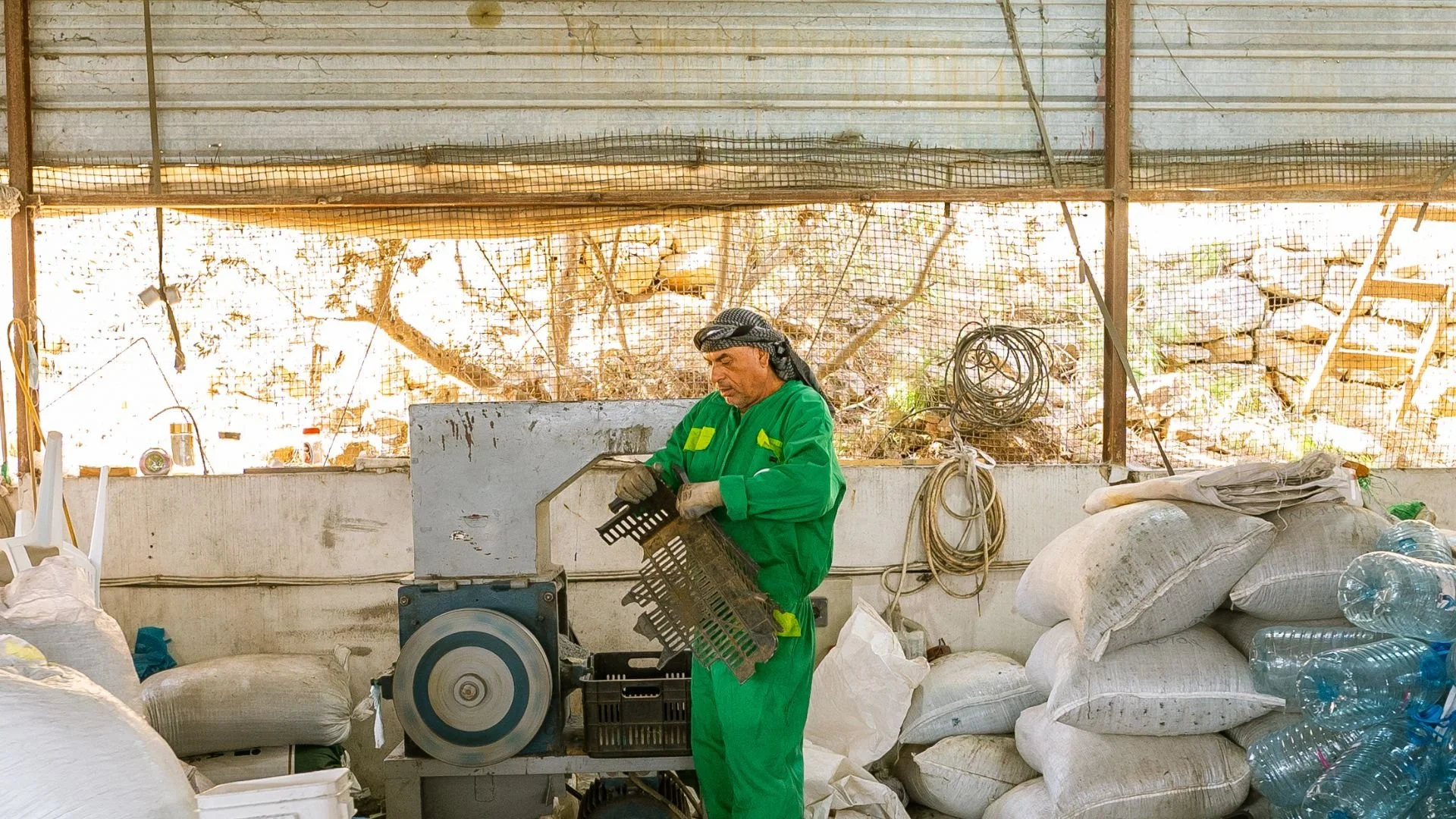
Daily maintenance keeps the facility running despite limited resources a testament to the resilience behind Green Mount Recycling’s operations.
Fueling the Next Stage
To expand its reach, Green Mount Recycling is currently raising $150,000 to invest in solar power, new machinery, and logistics. The goal: reduce energy costs, recycle more locally, and serve more municipalities across Lebanon. The company is also seeking CSR partners and diaspora sponsors to co-fund operations and help cover the cost of awareness campaigns, bins, and transport in new areas.
“Waste management is a service of dignity,” Carlos says. “If we fund the basics well, the results will multiply”
Resilience and Hope
Beneath every success story lies grit. The team at Green Mount Recycling has endured power cuts, funding gaps, roadblocks, and snowstorms, literally. Yet they keep showing up, collecting waste twice a week, in every kind of weather.
“Every time it gets tougher, we push harder,” says Carlos. “Lebanon has the talent and heart - we just need consistency.”
Green Mount Recycling may cover only 1% of Lebanon’s territory today, but its model represents something far greater - a blueprint for how communities can reclaim control over their environment. One village, one bin, one act of care at a time…
