
Meet the Changemakers: Dekenet Al Nes Is Rewiring How Lebanon Shops, One Refill at a Time
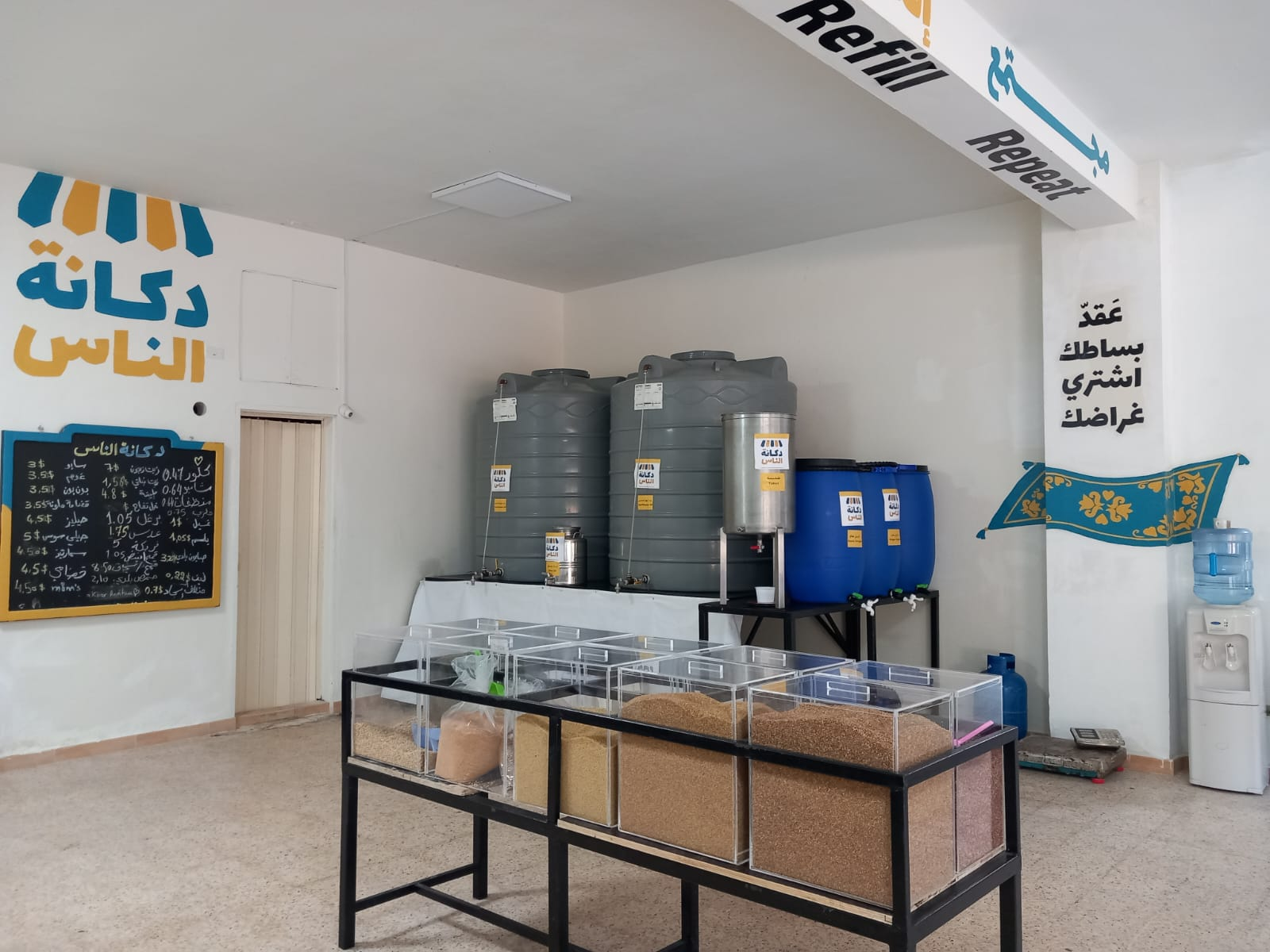
In a country where packaging can account for up to 40% of a product’s price, Dekenet Al Nes (“The People’s Grocery”) is flipping the script.
Bring your own container.
Refill only what you need.
Pay for the product not the plastic.
The result? Lower household costs, less waste, and stronger community ties all through a simple, people-powered model.
Dekenet Al Nes is a social, economic, and environmental venture in the form of a package-free grocery store, offering high-quality, locally sourced food and household products without packaging. Customers bring (or borrow) containers, refill flexible quantities based on their needs and budgets, weigh, and pay. By bridging affordability and quality, the model enables a cost-effective, dignified, and sustainable way to shop.
“We didn’t start with a business plan, we started with a need. Refill saves money for families and removes packaging waste for the country.”
From Crisis Chat to Community Grocery
What began in 2019 as a WhatsApp group coordinating food donations during Lebanon’s overlapping crises slowly evolved into something more durable. Through the economic collapse and COVID, the team realised that emergency aid alone wasn’t enough.
By 2021, a clearer idea emerged:
Ditch packaging, sell essentials by refill, and build a local grocery model where cost, dignity, and environmental responsibility align.
Origins
Diaspora-backed mutual aid
Pilot refill experiments
Formalised package-free grocery model (2021)
Today, Dekenet Al Nes marks three years of operating a refill-first store model rooted in trust, accessibility, and community ownership.
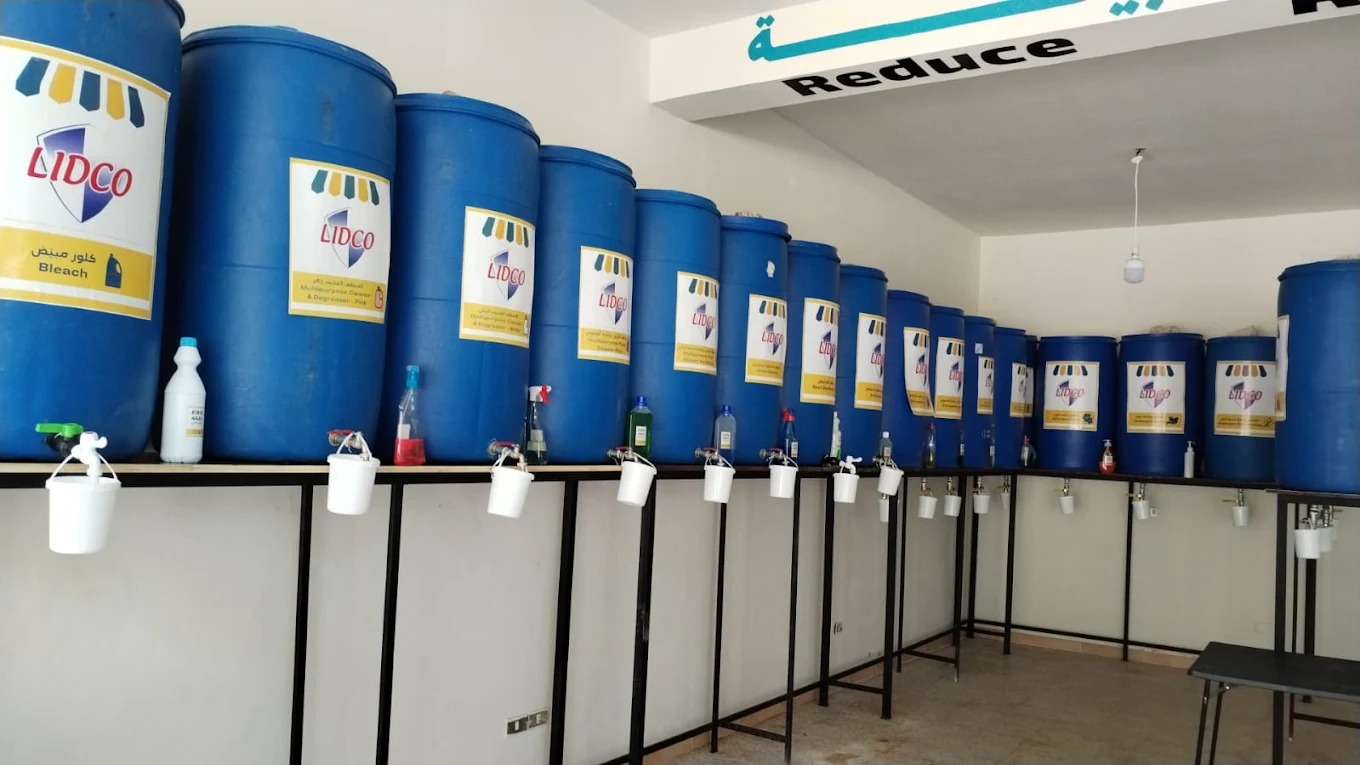
How the Refill Model Works
Bring or borrow containers
Shoppers refill grains, pulses, oils, detergents, and cleaning liquids, no single-use packaging.
Pay for product, not plastic
Removing packaging reduces basket costs and keeps essentials accessible during inflationary shocks.Flexible quantities
Buy exactly what you need nothing more, nothing wasted.Local suppliers first
The team works with 38 Lebanese producers, farmers, and suppliers, onboarding those able to sell in bulk and adapt to refill formats.Lean but resilient economics
Margins cover operations, while savings are passed directly to customers.
Growth, One Neighbourhood at a Time
Dekenet Al Nes now operates three branches across Lebanon:
Baakline
Bchatfine
Hasbaya (opened ~7 months ago)
Expansion is intentionally paced at ~one branch per year, depending on funding and local fit. Adoption varies by area, so community engagement, education, and messaging are adapted neighbourhood by neighbourhood.
The Hard Parts (And Why They Persist)
Operations vs. margins
Refill lowers consumer costs, but stores still carry fixed operational expenses that require volume and careful product mix.Behaviour change
Bringing containers is simple but unfamiliar. Staff coaching, repetition, and education make it stick.Supplier habits
Transitioning traditional manufacturers to bulk, refill-friendly formats takes time.
Limited municipal support
Progress relies more on community buy-in than public systems.
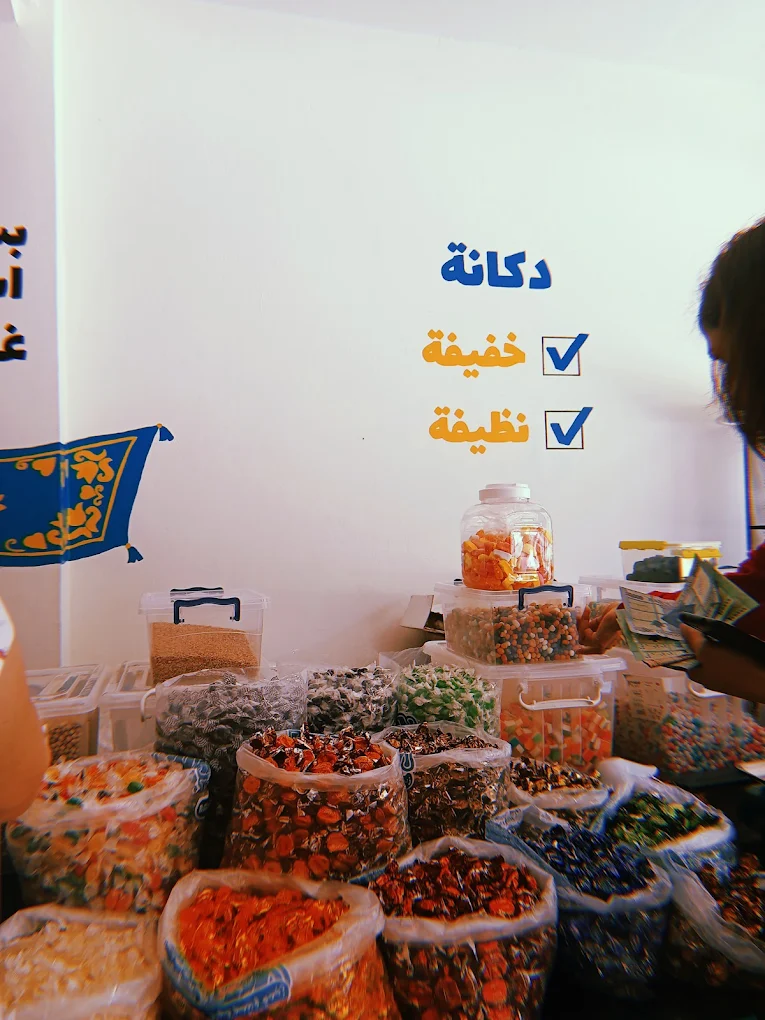
Impact You Can See
Packaging waste avoided:
14,500 kg (~15 tons) of single-use packaging eliminated to date and climbing.
Community reach:
Over 6,060 direct beneficiaries, representing ~1,500 families who have adopted the refill consumption model.Product diversity:
216 SKUs sourced from 38 local suppliers, farmers, and producers.
Affordability:
Removing packaging keeps essential baskets within reach, even during periods of extreme inflation.
“When customers realise they’re paying for packaging not just product, refill just clicks. It’s cheaper and cleaner.”
Ecosystem, Recognition & Credibility
Dekenet Al Nes is supported by a growing ecosystem of local and international partners, including development organisations, incubators, and foundations that have contributed to store launches, systems, and operational capacity.
The venture has:
Won the People’s Choice Award at the AUB Innovation Challenge (2023)
Received the Championship Award of Plastic Pollution Prevention in the Mediterranean (2024)
Been referenced in multiple policy papers on social entrepreneurship, circular packaging, and social groceries in Lebanon
This positions the model not just as a store but as a replicable template for low-waste, low-cost community retail.
What’s Next: Scale the Engine
Dekenet Al Nes has two clear, fundable growth levers:
1. Branch Expansion
Use of funds: fit-out, bulk stock, staff training, community awareness
2. Mini-Factory & Light Automation
Why: speed up purchas ing, standardise quality, improve in-house processing, and stay ahead as the model is copied
Ideal partners: CSR programmes, municipalities, faith and civic institutions, and diaspora sponsors seeking measurable impact per dollar.
Interested in supporting the scale of Dekenet Al Nes?
Contact the team to explore partnership opportunities.
Community First, Always
Awareness is built into daily operations. Every first-time shopper is guided through:
Why refill matters
How to start
How much they’ll save
Milestones are shared on social media and at local events, while schools and village associations are emerging as the next wave of education partners.
“Pick the end you believe in and stay loyal to it. That’s your compass when money or noise tries to pull you off-track.”
Fast Facts
Impact: ~15 tons of packaging waste avoided
Community: 6,060+ direct beneficiaries (~1,500 families)
Looking Ahead
Dekenet Al Nes will keep refining its playbook branch by branch, message by message, neighbourhood by neighbourhood until refill becomes normal and single-use becomes the exception.
With modest funding and the right civic partners, this model offers Lebanon (and beyond) a scalable pathway to affordable living, low-waste consumption, and high-trust community life.
